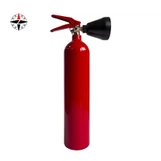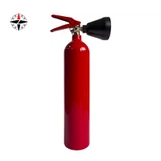


60L CO2 carbonator built entirely of aluminum materials, the carbonator is incredibly robust and of the highest quality. In contrast to other carbonated beverages now available, 60L CO2 carbonator has a special cap that enables the addition of flavors, resulting in consistently better-tasting and refreshing beverages. In the beverage business, carbon dioxide is the most often utilized industrial gas. In order to produce the well-known “fizz” effect, it is dissolved in beverages. In a carbonator, where vaporized carbon dioxide is combined under pressure with water that has been temperature-controlled, carbon dioxide is added to the liquid during the carbonation process. To make the finished product, more components like syrup and sweetener are then added.
Application

The air we breathe contains a naturally occurring gas called food-grade carbon dioxide. Additionally, it may be found in various kinds of foods and drinks. There are several applications for food-grade CO2, such as a preservative, antioxidant, and carbonating agent. Additionally, it may be used to manufacture soft drinks and carbonated water. Products like beer, soda, carbonated soft drinks, and carbonated water get more bubbles from it (while protecting the quality of the beverage). Food-grade CO2 is thought to be risk-free for intake by humans and has no adverse effects.


FAQs
Q: Is creating your own sparkling water less expensive?
A: A simple-to-use one that doesn't leak or spout water when in use? If so, we know the solution. For those who enjoy drinking soda at home and prefer it to be bubbly and sweet, our product is fantastic. With this device, carbonating your drinks just takes a few minutes.
Q: How long is a carbonator good for?
A: The lifespan of carbonating cylinders might range from 4 to 8 weeks depending on how frequently you produce fizzy drinks.
Q: What functions do carbon dioxide tanks serve?
A: Thousands of liquid carbon dioxide cylinders and cans are utilized for beer and soda carbonation, industrial refrigeration, medical and scientific facilities, indoor agriculture, and even industrial uses.