
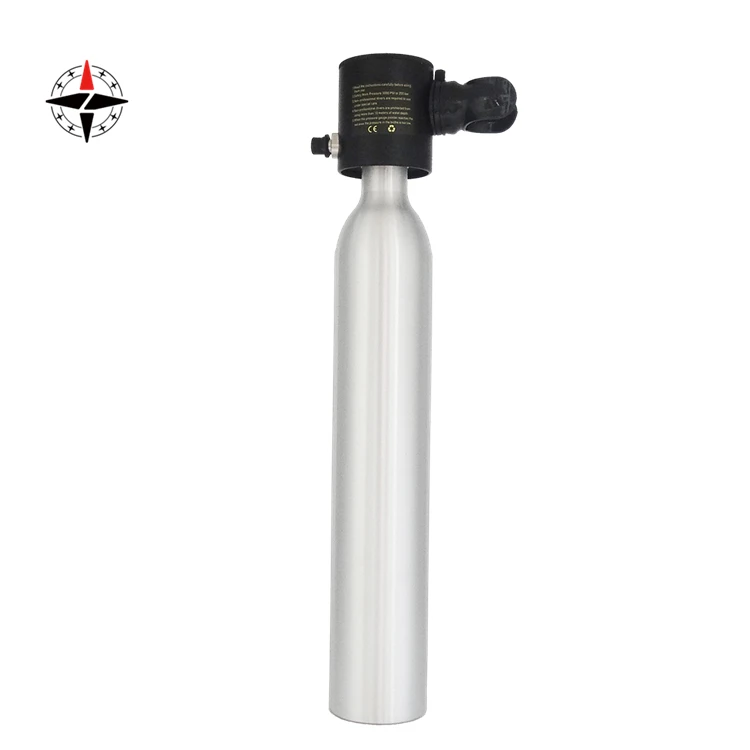

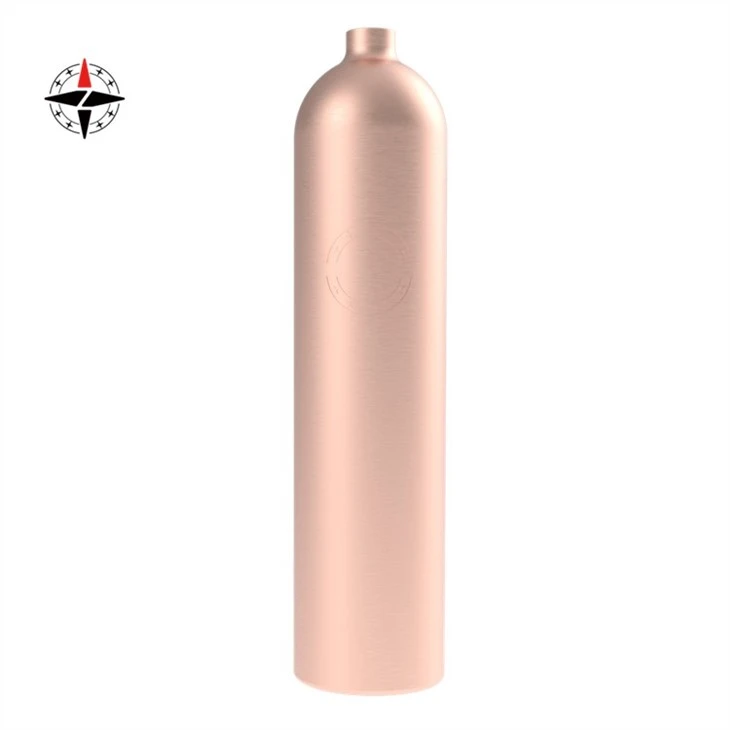


Aluminum 40 cu ft scuba tank holds the compressed gas, or air, that you will breathe during the dive, and the valve is your scuba regulator that you breathe into and connect to. To the inexperienced, scuba tanks may seem simple, after all, they all look the same. But without them, you can’t scuba dive.
The aluminum 40 cu ft scuba tank is quite compact yet extremely durable and has a considerable capacity to store compressed gas. The most distinctive feature of SCUBA (Self-Carrying Underwater Breathing Apparatus) is that it allows you to dive with your own gas supply unit. The scuba cylinder is without a doubt one of the most crucial pieces of gear, whether it is filled with filtered air in general, high oxygen air (air with a greater oxygen content and a lower nitrogen content), or helium-nitrogen-oxygen mixture for technical diving.
Maintenance
- Always hold the gas cylinder securely to avoid it falling or falling off of you, which might harm the cylinder and other equipment or possibly hurt you.
- You should be aware that you should not empty the cylinders of gas and leave some inside the cylinder to preserve it from moisture in addition to cleaning the cylinders and valves with fresh water and keeping them in a cool area.
- Once a year, visually examine the gas cylinder and do any necessary pressure tests.
- As directed by the manufacturer, maintain the cylinders.



FAQs
Q: What pressure is the fill level for scuba tanks?
A: The typical rated pressure for these tanks is 3000 psi. Tanks for low pressure range from 2400 to 2640 psi. At 3300 to 3500 psi, high pressure is attained.
Q: Where to get scuba tanks refilled
A: You may always fill your scuba tank at a dive shop nearby, an air supplier, or a scuba store.