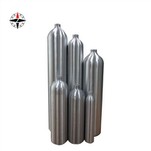

Executive Summary: The Paradigm Shift in Gas Containment Technology
The global gas cylinder industry stands at the precipice of its most significant transformation since the transition from wrought iron to chromium-molybdenum steel. This evolution is driven not by incremental improvements but by fundamental re-engineering of materials, manufacturing processes, and integration capabilities. Aluminum alloy cylinders, once considered a premium alternative for specific applications, have emerged as the benchmark for performance, safety, and sustainability across virtually all sectors requiring pressurized gas containment.
This fourth and culminating installment in our series synthesizes technical advancements with commercial implications, providing procurement professionals and technical decision-makers with a comprehensive framework for evaluating next-generation gas containment solutions. We examine how innovations in metallurgy, digital integration, and application-specific engineering are redefining what's possible in gas storage and delivery systems. With Mid-star Corporation's two-decade journey in aluminum cylinder manufacturing as our technical foundation, we explore how these advancements translate to tangible operational advantages for businesses worldwide.

Section 1: The Metallurgical Revolution – Beyond 6061-T6
Advanced Aluminum Alloys for Extreme Applications
While 6061-T6 aluminum alloy established the modern standard for gas cylinder applications, material science continues to advance. Next-generation alloys offer enhanced properties that address specific limitations and open new application possibilities:
7xxx Series Aerospace Alloys: Alloys such as 7075 and 7050, long used in aircraft structural components, are being adapted for ultra-high-pressure applications. With yield strengths exceeding 500 MPa (compared to 6061's 276 MPa), these materials enable thinner walls and further weight reductions for specialized applications like SCUBA Cylinders used in technical diving where multiple tanks are carried, or portable Industrial Gas Cylinders for remote operations where every kilogram matters.
Aluminum-Lithium Developments: Adding 1-3% lithium reduces density by approximately 7-10% while increasing modulus elasticity. For applications requiring exceptional stiffness-to-weight ratios-such as cylinders for airborne medical evacuation or high-performance racing applications-Al-Li alloys represent the next frontier. Mid-star's research division is currently testing Al-Li cylinders with 12% weight savings compared to equivalent 6061-T6 designs while maintaining all required safety factors.
Nanostructured Aluminum Composites: By incorporating nano-scale ceramic particles or carbon nanotubes into the aluminum matrix, manufacturers can create materials with unprecedented combinations of strength, toughness, and fatigue resistance. While still in development, these materials promise cylinders with service lives extending beyond 50 years, particularly valuable for Fire Extinguisher Cylinders in critical infrastructure where replacement is exceptionally costly or disruptive.
Heat Treatment Innovations
The -T6 designation in 6061-T6 refers to a specific solution heat treatment and artificial aging process. Advanced thermal processing now enables more precise property optimization:
Differential Heat Treatment: By applying varying heat treatment parameters to different cylinder regions, manufacturers can create optimized property gradients. The cylinder dome (the highest stress area) receives treatment for maximum strength, while the cylindrical body receives treatment optimized for fatigue resistance. This approach, pioneered by Mid-star for high-cycle applications like Beverage CO2 Cylinders in high-volume restaurants, can increase fatigue life by 30-40% compared to uniform treatment.
Retrogression and Re-Aging (RRA): Originally developed for aerospace, RRA treatments have been adapted for gas cylinders requiring exceptional resistance to stress corrosion cracking. The process involves briefly exposing the aged material to elevated temperatures, then re-aging. This is particularly valuable for cylinders exposed to marine environments or containing certain industrial gases that accelerate corrosion.
In-Process Monitoring and Control: Advanced sensors and machine learning algorithms now enable real-time adjustment of heat treatment parameters based on continuous material property feedback. This closed-loop control reduces property variations between batches to unprecedented levels, ensuring that every cylinder performs identically-a critical factor for Medical Oxygen Cylinders where delivery consistency directly impacts patient care.
Section 2: Digital Integration and Smart Cylinder Ecosystems
The Internet of Pressure Vessels
The convergence of sensor technology, wireless communication, and cloud computing is transforming passive cylinders into intelligent components within larger gas management ecosystems:
Embedded Sensor Suites: Next-generation cylinders incorporate multiple sensor types directly into their structure:
Fiber Bragg Grating Sensors: Embedded optical fibers detect strain with micron-level precision, enabling real-time structural health monitoring far beyond traditional hydrostatic testing intervals.
Micro-Electro-Mechanical Systems (MEMS): Miniaturized pressure and temperature sensors provide continuous monitoring of internal conditions, detecting anomalies that could indicate contamination or degradation.
Gas Composition Sensors: Particularly for Medical Oxygen Cylinders and N2O Cylinders, integrated sensors verify gas purity throughout the service cycle, preventing cross-contamination incidents.
Wireless Connectivity Architectures: Multiple connectivity options enable seamless integration into existing operational technology frameworks:
Low-Power Wide-Area Networks (LPWAN): Technologies like LoRaWAN and NB-IoT enable years of battery life while providing connectivity across large facilities or distribution centers.
Bluetooth Mesh Networks: For applications within confined spaces like hospitals or manufacturing plants, mesh networks enable cylinders to communicate with each other and with central monitoring systems without additional infrastructure.
Satellite Connectivity: For Industrial Gas Cylinders in remote locations like mining operations or offshore platforms, integrated satellite modules enable monitoring anywhere on Earth.
Cloud Analytics and Predictive Maintenance: The data generated by smart cylinders transforms maintenance from scheduled to predictive:
Usage Pattern Analysis: Machine learning algorithms identify abnormal usage patterns that could indicate leaks or procedural deviations.
Remaining Life Predictions: Based on actual stress history rather than conservative estimates, cylinders can remain in service longer while maintaining safety margins.
Automated Requalification Scheduling: Systems automatically generate work orders when cylinders approach inspection intervals, optimizing asset utilization while ensuring compliance.
Application-Specific Digital Solutions
Healthcare Integration: Smart Medical Oxygen Cylinders represent a cornerstone of the connected hospital. Integration with electronic medical records ensures the right gas reaches the right patient, while real-time inventory tracking prevents stockouts during critical procedures. For home healthcare, connectivity enables remote monitoring of patient usage patterns, supporting better outcomes while reducing readmission rates.
Food and Beverage Supply Chain Optimization: In the competitive restaurant and brewing industries, consistency defines success. Smart Beverage CO2 Cylinders monitor and log carbonation parameters, ensuring every batch meets exacting standards. Integration with point-of-sale systems enables automatic reordering when supplies run low, while usage analytics identify opportunities to reduce waste and optimize gas purchasing.
Industrial Asset Management: For manufacturing operations using multiple gas types, smart cylinder networks provide unprecedented visibility. Industrial Gas Cylinders with embedded RFID and sensors enable automatic identification and tracking through production facilities, while consumption analytics support just-in-time ordering and identify opportunities for efficiency improvements.
Safety System Assurance: The most critical applications demand the highest assurance levels. Smart Fire Extinguisher Cylinders continuously self-monitor, immediately alerting facility managers to any pressure loss or other anomaly. During emergencies, integrated location beacons guide responders directly to required equipment, saving precious seconds when minutes matter.
Section 3: Manufacturing 4.0 – The Precision Production Revolution
Advanced Forming Technologies
Modern cylinder manufacturing has evolved far beyond traditional spinning and welding:
Flow Forming with Real-Time Feedback: Advanced spin-forming machines now incorporate laser measurement systems that continuously monitor wall thickness during forming. Computer-controlled hydraulic systems make millisecond adjustments to maintain tolerances within 0.05mm-approximately the thickness of a human hair. This precision eliminates material waste while optimizing strength-to-weight ratios.
Additive Manufacturing Integration: While entire cylinders aren't yet produced via 3D printing for structural applications, additive manufacturing enables complex components previously impossible to produce:
Conformal Cooling Channels: Valve components with internal cooling pathways that follow heat distribution patterns, improving performance in high-flow applications.
Lightweight Structural Elements: Custom brackets, handles, and protective features optimized for specific applications, such as specialized carriers for SCUBA Cylinders used in underwater archaeology where delicate equipment protection is paramount.
Personalized Identification: Directly printed serial numbers, QR codes, and customization elements that become integral to the cylinder structure rather than surface appliques.
Friction Stir Welding Advancements: For applications requiring non-cylindrical forms or integrated features, friction stir welding creates joints with material properties approaching the base metal. This enables designs previously impossible with conventional manufacturing, such as cylinders with integrated mounting points or custom valve arrangements for specialized medical or research applications.
Quality Assurance in the Digital Age
Non-Destructive Testing Evolution: Traditional hydrostatic testing, while reliable, provides limited data and subjects cylinders to unnecessary stress cycles. Modern alternatives offer more comprehensive assessment:
Phased Array Ultrasonic Testing: Multi-element transducer arrays create detailed 3D maps of material integrity, detecting flaws orders of magnitude smaller than conventional methods.
Digital Radiography: High-resolution X-ray imaging reveals internal structures without disassembly, particularly valuable for verifying the integrity of Medical Oxygen Cylinders and N2O Cylinders where absolute purity is essential.
Acoustic Emission Monitoring: During pressure testing, sophisticated acoustic sensors detect the faint sounds of micro-crack formation, providing early warning of potential failures long before they become visible.
Blockchain-Enabled Traceability: Each cylinder's complete history-from raw material sourcing through every manufacturing step, test, inspection, and field service event-is recorded on distributed ledger systems. This creates immutable records that support regulatory compliance, simplify audit processes, and provide customers with unprecedented confidence in product provenance and quality history.
Predictive Quality Analytics: By correlating manufacturing parameters with long-term field performance, machine learning models identify subtle process variations that correlate with extended service life or exceptional reliability. These insights continuously refine manufacturing protocols, creating a virtuous cycle of improvement.
Section 4: Application-Specific Engineering Breakthroughs
Medical Gas Storage: Beyond Containment to Therapeutic Integration
The role of Medical Oxygen Cylinders is evolving from simple storage devices to integrated components of therapeutic systems:
Intelligent Delivery Systems: Next-generation medical cylinders incorporate precision regulators that maintain constant delivery pressure regardless of cylinder depletion. Integrated flow sensors provide real-time usage data to clinicians, while Bluetooth connectivity enables remote monitoring of patient compliance in home care settings. For anesthesia applications, N2O Cylinders with integrated gas mixers maintain precise concentrations despite varying flow rates.
Contamination Prevention: Hospital-acquired infections remain a critical challenge. Advanced surface treatments incorporating antimicrobial silver nanoparticles or photocatalytic titanium dioxide coatings reduce microbial colonization on cylinder surfaces. For immunocompromised patients, single-patient-use cylinder systems with tamper-evident seals provide absolute assurance against cross-contamination.
Emergency Response Optimization: In mass casualty events, medical gas logistics often determine outcomes. Lightweight aluminum cylinders with standardized connections enable rapid deployment and sharing between facilities. Integrated tracking systems provide command centers with real-time visibility of oxygen supplies across affected regions, enabling optimized distribution when minutes matter.
Food and Beverage: The Science of Carbonation Perfection
Beverage CO2 Cylinders have evolved from generic containers to precision instruments:
Flavor Protection Systems: Even minute impurities can alter beverage profiles. Advanced cylinders incorporate getter materials that actively scavenge oxygen and other contaminants, maintaining gas purity from first use to last. For craft breweries where flavor consistency defines brand identity, this assurance is invaluable.
Precision Carbonation Control: Integrated pressure and temperature compensation enables exact carbonation levels regardless of environmental conditions. For chain restaurants operating across diverse climates, this ensures identical product characteristics from Phoenix to Minneapolis. Real-time carbonation analytics help optimize recipes and reduce gas consumption.
Sustainable Service Models: The traditional deposit-and-return model is evolving toward cylinder-as-a-service offerings. Smart cylinders with usage-based billing, automatic replenishment, and carbon footprint tracking align with modern sustainability initiatives while reducing capital expenditures for restaurant operators.
Industrial and Specialty Applications: Engineering for Extreme Conditions
Industrial Gas Cylinders face the most diverse and demanding operating environments:
Cryogenic Compatibility: For gases like liquid nitrogen or argon, aluminum's ductility at low temperatures prevents brittle fracture. Advanced insulation systems incorporating vacuum panels and multi-layer insulation enable extended holding times without excessive boil-off, particularly valuable for remote welding operations or scientific research in field locations.
High-Purity Applications: Semiconductor manufacturing and pharmaceutical production demand gas purity measured in parts-per-trillion. Electropolished interiors with surface roughness below 0.1μm, combined with ultra-high vacuum pretreatment, create conditions previously achievable only in dedicated piping systems. Valves manufactured in cleanroom environments and sealed under inert gas complete the purity preservation ecosystem.
Extreme Environment Resilience: From desert mining operations to offshore drilling platforms, cylinders must withstand conditions that accelerate degradation. Multi-layer coating systems with self-healing properties, cathodic protection for submerged applications, and radiation-resistant polymers for nuclear facilities extend service life where replacement is exceptionally costly or logistically challenging.
Safety and Life Support: When Failure Is Not an Option
Fire Extinguisher Cylinders protect lives and assets in the most critical moments:
Instant Readiness Assurance: Traditional annual inspections provide limited assurance for equipment that may sit unused for years. Continuous monitoring systems verify integrity 24/7/365, with immediate alerts for any pressure loss or internal corrosion. For data centers, museums, and historical archives where fire would be catastrophic, this continuous assurance justifies premium solutions.
Rapid Deployment Systems: In emergencies, seconds matter. Lightweight aluminum cylinders enable faster response, while integrated location beacons guide responders directly to needed equipment. For high-rise buildings or complex industrial facilities, this guidance can mean the difference between contained incidents and catastrophic losses.
SCUBA Cylinders: Life Support Beneath the Surface
The diving industry's complete transition to aluminum validates the material's superiority:
Buoyancy Management: Aluminum's near-neutral buoyancy when empty simplifies weight system configuration-a critical safety factor in diving. Advanced computational fluid dynamics optimizes external profiles to reduce drag, particularly valuable for technical divers covering significant distances underwater.
Corrosion Immunity: Saltwater represents the ultimate corrosion challenge. Multi-layer protection systems combining anodizing, ceramic coatings, and cathodic protection ensure decades of service in marine environments. For commercial diving operations where equipment failure can be fatal, this reliability justifies investment in premium solutions.
Integrated Safety Systems: Modern SCUBA Cylinders incorporate multiple redundant safety features-burst discs that prevent overpressure, thermochromic indicators that reveal overheating during filling, and RFID tags that prevent filling beyond certification limits. For dive operators managing hundreds of cylinders, these features reduce liability while enhancing customer safety.
Section 5: Sustainability and Circular Economy Integration
The Full Lifecycle Carbon Equation
Environmental assessment has evolved from simple recyclability claims to comprehensive lifecycle analysis:
Production Phase Innovations: Mid-star's manufacturing facilities now operate on 80% renewable energy, with waste heat recovery systems capturing thermal energy for facility heating and pretreatment processes. Water recycling systems achieve 95% reuse rates, while advanced filtration captures and recycles metalworking fluids. These initiatives reduce the carbon footprint of new cylinder production by approximately 60% compared to industry averages.
Use Phase Advantages: Aluminum's weight advantage creates compounding environmental benefits throughout decades of service. Transportation emissions are reduced by approximately 2.5kg of CO₂ per cylinder per year of service-significant when multiplied across global fleets. Reduced handling injuries lower healthcare system burdens, while extended service life defers manufacturing impacts of replacement units.
End-of-Life Transformation: Rather than simple recycling, advanced recovery processes transform retired cylinders into high-value products. Aerospace-grade aluminum from cylinders becomes material for automotive components, while valve assemblies are refurbished for continued service. For customers with sustainability reporting requirements, these circular processes contribute directly to environmental, social, and governance (ESG) targets.
Circular Business Models
Product-as-a-Service: Forward-thinking organizations are transitioning from purchasing cylinders to purchasing gas delivery as a service. Under these models, manufacturers retain ownership, maintaining cylinders through their entire lifecycle and optimizing performance at every stage. This aligns economic incentives with sustainability goals-manufacturers benefit from extended product life and efficient recovery, while customers benefit from predictable costs and reduced administrative burdens.
Take-Back and Refurbishment Ecosystems: Mid-star's integrated approach-manufacturing through Mid-star, distribution through Min-star-creates closed-loop systems where every cylinder remains within the ecosystem throughout its life. Advanced refurbishment processes restore cylinders to like-new condition at approximately one-third the environmental impact of new production, while maintaining full certification and warranty coverage.
Carbon Credit Integration: Verified reductions in transportation emissions, manufacturing energy use, and material recovery create carbon credits that offset other organizational emissions. For customers with net-zero commitments, these integrated credits provide tangible progress toward sustainability goals while delivering operational benefits.
Section 6: The Strategic Procurement Framework Revisited
Total Value Assessment Methodology
Sophisticated procurement has evolved beyond total cost of ownership to total value assessment, incorporating factors that resist easy quantification but deliver substantial organizational benefits:
Risk Mitigation Valuation: Traditional procurement often undervalues risk reduction. A comprehensive assessment quantifies:
Safety Risk Reduction: The value of prevented injuries, particularly for Industrial Gas Cylinders in hazardous environments or SCUBA Cylinders in diving operations.
Business Continuity Value: The cost of production downtime prevented by reliable equipment, especially for manufacturing operations using specialized gases.
Reputational Protection: The brand value preserved by preventing incidents, particularly for healthcare providers using Medical Oxygen Cylinders or restaurants using Beverage CO2 Cylinders.
Strategic Flexibility Valuation: The option value created by equipment compatible with multiple applications, regulatory regimes, and future technologies. Aluminum cylinders certified to global standards provide deployment flexibility that has tangible value in dynamic market conditions.
Innovation Acceleration Value: Advanced cylinders often enable process improvements beyond basic gas delivery. Precision N2O Cylinders enable new culinary techniques, smart Industrial Gas Cylinders support automation initiatives, and integrated Medical Oxygen Cylinders facilitate telehealth expansion.
The Partnership Imperative
In an era of rapid technological change, transactional supplier relationships increasingly give way to strategic partnerships. The most advanced cylinders represent platforms for continuous improvement rather than static products. Organizations that partner with innovative manufacturers gain:
Early Access to Innovation: Partnership relationships provide insight into development pipelines, enabling alignment of future capabilities with strategic plans.
Customization and Co-Development: Rather than adapting processes to standard products, partners collaborate on solutions optimized for specific challenges-whether unique valve configurations for research applications or specialized coatings for extreme environments.
Integrated Digital Ecosystems: As cylinders become data sources within larger operational technology frameworks, deep integration between manufacturer and user systems creates value impossible through arm's-length transactions.
Regulatory Collaboration: In evolving regulatory environments, manufacturers with standards participation can provide early guidance on compliance strategies, reducing disruption when new requirements take effect.
Conclusion: The Convergence of Technology, Sustainability, and Strategic Value
The gas cylinder's journey from simple container to intelligent system component reflects broader transformations across industrial and medical sectors. What began as a material substitution-aluminum for steel-has evolved into a comprehensive reimagining of how gases are stored, monitored, delivered, and integrated into operations.
This transformation creates unprecedented opportunities for organizations willing to think beyond traditional procurement paradigms. The cylinder is no longer merely a cost item but a strategic asset that influences safety outcomes, operational efficiency, environmental performance, and innovation capacity.
For healthcare providers, next-generation cylinders represent more than oxygen storage-they become components of integrated patient care systems. For manufacturers, they transform from consumable supplies to data sources within Industry 4.0 frameworks. For restaurants and breweries, they evolve from generic containers to brand ambassadors and quality assurance instruments. For safety applications, they transition from passive equipment to active monitoring and response systems.
Mid-star Corporation's journey-from pioneering aluminum cylinders to developing integrated smart systems-mirrors this industry evolution. The company's vertical integration, from aluminum alloy formulation to digital platform development, creates unique capabilities to address emerging challenges while anticipating future needs.
As global industries confront interconnected challenges-climate change, supply chain resilience, digital transformation, and evolving safety expectations-equipment decisions increasingly reflect strategic positioning. In this context, advanced aluminum cylinder systems offer a rare convergence: immediate operational benefits, reduced environmental impact, enhanced safety, and future readiness.
The question for procurement professionals and operational leaders is no longer whether to adopt advanced cylinder technologies, but how rapidly and comprehensively to integrate them into operations. The organizations that recognize cylinders as strategic platforms rather than commodity purchases will gain advantages that compound across safety, efficiency, sustainability, and innovation-advantages that will define competitive differentiation in the coming decade.
In this final analysis, we see not merely a product category evolution but a microcosm of industrial transformation-where materials science, digital integration, and sustainability imperatives converge to create solutions greater than the sum of their parts. The humble gas cylinder, reimagined and re-engineered, stands poised to play an unexpectedly central role in building safer, more efficient, and more sustainable operations across the global economy.
Zhongxing Holding Group | Mid-star Corporation
Transforming Gas Containment Through Integrated Innovation
Advanced Aluminum Cylinder Systems · Smart Monitoring Platforms · Circular Lifecycle Solutions
Medical · Food & Beverage · Industrial · Safety · Research · Specialty Applications
Global Certifications · Digital Integration · Sustainable Manufacturing · Strategic Partnership