

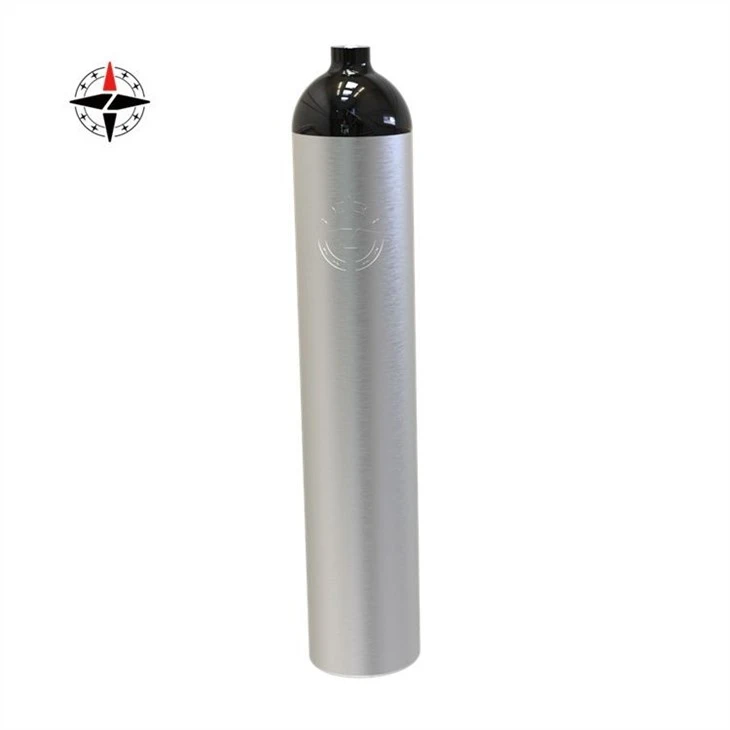


Aluminum gas cylinders for liquefied gases operate differently than high pressure gas cylinders. Liquid cylinders may store gases in their cryogenic condition similarly to thermos bottles. It can get down to -400 degrees Fahrenheit in the cryogenic condition (liquid phase). Only a little period of time may be spent maintaining the temperature of its contents in these specifically constructed cylinders. The liquid product will ultimately turn back into gas when the temperature within the cylinder rises over the level required to maintain the gas a liquid. The gas will then grow until it is around 100 times as large as the liquid. Liquid storage cylinders include safety relieving systems, much like gas storage cylinders do.
Closing the gas usage and pressure building valves is the first step in taking liquid out of your aluminum gas cylinders for liquefied gases. Open the liquid valve so that liquid may then be forced up the withdrawal tube and out of the container by the head pressure in the tank head.
Friendly Tips
The use of liquefied gas cylinders that are unsafe or insufficiently certified, out of date on their periodic inspections, missing safety devices, or that are significantly corroded, deformed, or unfinished is prohibited.
The usage of liquefied gas must be carefully monitored to avoid incidents where the discharge of liquefied gas results in fires and explosions.
Gas cylinder valve and pressure lowering valve cannot be disassembled without permission.
Handling the remaining liquid in the cylinder without authorization is strictly prohibited.
After utilizing liquefied gas, shut off the cylinder valve before retiring to bed or leaving the residence.


FAQs
Q: What should I do if my cylinder burns?
A: In all situations when dealing with cylinders during fires, you should: Evacuate the area and sound the alarm. If at all possible, get in touch with the emergency services and provide them with the number, type, and location of the cylinders. Cool the cylinders safely from a distance if possible.