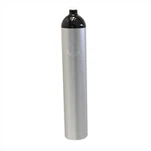


Permanent gas cylinders are high-pressure containers used to store and transport permanent gases. The term "permanent gas" refers to a gas with a critical temperature of less than -10°C. Air, oxygen, nitrogen, hydrogen, methane, carbon monoxide, and other gases are examples. Because these gases will not liquefy no matter how much pressure is applied to them at room temperature, they are referred to as permanent gases. Permanent gas cylinders are under high compressed gas pressure and may explode if not handled properly. As a result, inspecting the gas cylinder before filling it with permanent gas can prevent or greatly reduce gas cylinder explosions. Special personnel should inspect the filled permanent gas cylinders one by one, and those that do not meet the requirements should be disposed of properly.
Mid-Star's high quality aluminum alloy seamless high-pressure gas cylinders are suitable for continuous gas filling. Mid-Star guarantees the quality of the gas cylinder, while the user ensures proper operation. We can reduce the number of accidents if we work together.
Product Specifications


The filling volume of a permanent gas cylinder is the maximum mass of gas that the cylinder is allowed to contain. The principle for determining the filling capacity of a permanent gas cylinder is that the pressure of the gas in the cylinder should not exceed its nominal working pressure at the reference temperature (20°C) and should not exceed the permissible pressure of the cylinder at the maximum operating temperature (60°C).

 .
.


FAQs
Q: How much does it cost to ship gas cylinders?
A: The cost of shipping gas cylinders will be determined by your location, the quantity of your order, the shipping method, and other factors. You can also speak with the shipping company with whom you are working.
Q: How do I import your products into my country?
A: Generally, it is possible to import our products following normal import procedures, but as there may also be issues such as regional disputes and international trade barriers involved, specific import policies and procedures may differ from country to country and region to region, so please consult your country's Customs and Border Protection Agency.