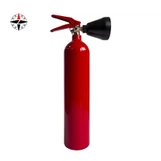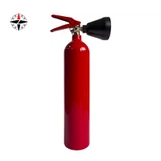


Industrial nitrogen cylinders are aluminum cylinders made of seamless aluminum tubing that can hold a variety of non-corrosive gases as long as the specified pressure is not exceeded.
Nitrogen is a common element in Earth’s atmosphere and has numerous industrial applications. This is due to the gas’s ability to form multiple bonds with other elements and compounds, which is one of its most distinctive characteristics. As a result, industrial nitrogen cylinders are extremely adaptable and applicable to a wide range of industries.
Application


1.Food packaging
Compressed nitrogen is commonly used by food processing firms to substitute oxygen in perishable food packaging. Items such as meat, fruits, vegetables, and a range of snack foods have a longer shelf life when there is no oxygen present.
2.Chemical overlays
By decreasing oxygen levels to explosive limits, nitrogen is widely utilized to prevent fires and explosions in hazardous situations such as chemical factories or industrial facilities.
3.Electronics
Nitrogen is utilized when two electronic components are soldered together to make a lasting connection during the manufacture of electronic devices.
4.Laser cutting
Nitrogen is particularly significant in the steel industry as a purge gas. It is used as an auxiliary gas to blast molten material away and produce stronger stainless steel or aluminized steel products.


FAQs
Q: How should nitrogen cylinders be stored?
A: The storage area ought to be fireproof, ventilated, dry, and well-drained. Avoid storage beneath the surface. Cylinders can be stored outdoors, but they should not come into constant contact with the ground or moisture to prevent rusting.
Q: Are nitrogen bottles harmful?
A: Nitrogen at high concentrations is particularly harmful to human health. In enclosed areas, nitrogen can displace oxygen from the surrounding air, resulting in a potentially hazardous accumulation of inert gases.
Q: When a nitrogen tank leaks, what happens?
A: In a matter of minutes, asphyxiation can result from a nitrogen leak. Nitrogen gas has no color and no odor. Passersby won’t be able to tell the difference if gas leaks from a tank. The oxygen level in the environment drops below the safe level as the gas leaks.