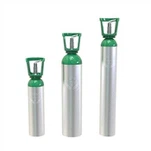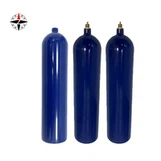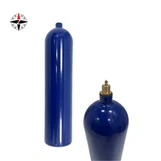


Oxygen tank for COPD patients is frequently a successful tool because it can boost the amount of oxygen that enters the lungs and bloodstream. According to research, oxygen therapy improves the quality of life and increases life expectancy in persons with COPD. Breathing becomes increasingly challenging for those with chronic obstructive pulmonary disease (COPD), and in the later stages of the condition, your medications may not be sufficient to maintain a high quality of life. Whether you plan to travel or stay at home, oxygen tanks can come to your aid and help you live as well and independently as possible.
The first solution for oxygen supply was established in cylinders, which may be carried wherever a person goes. The oxygen tank for COPD patients is meant to provide a constant supply of oxygen while being used; it is filled with gaseous oxygen.
Friendly Tips
Here are some general guidelines and pointers for using an oxygen tank that you should know and abide by.
Keep your oxygen tank, cannulas, and other equipment away from a flame.
Generally speaking, keep your oxygen tank away from hot places (the oven or stove)
Store your tanks near walls or corners to prevent tripping incidents.
By regularly updating your inventory, you can prevent running out of oxygen.
Make an effort to keep your cannulas moist to prevent nosebleeds.
Keep the components of your gadget tidy.


FAQs
Q: Is excessive supplementary oxygen dangerous during COPD flare-ups?
A: It can be difficult to properly titrate oxygen in COPD exacerbations since too much or too little oxygen can injure the individuals there.
Q: When is oxygen needed for COPD?
A: Some COPD sufferers may only require oxygen during specific times, such as when they are awake or asleep. Long-term oxygen therapy may be required for additional COPD patients. Long-term means that they require oxygen every day for between 15 and 24 hours. The later phases of the disease are when this occurs most frequently.