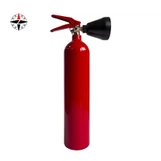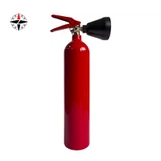


N2O cylinders are specially designed pressure-resistant cylinders for storing compressed high purity and ultra-pure nitrogen gas. When used, the gas is released in a controlled manner through a pressure reducing valve (air pressure gauge). Due to the high internal pressure of the cylinder, it is important to pay attention to safety when using the cylinder.
The N2O cylinder is made of premium quality 6061 aluminium alloy, which is 40% lighter than steel cylinder, with small volume, large capacity and high safety performance. You can buy high-quality N2O cylinders from Mid-Star, as well as other supporting accessories such as regulators, we provide a one-stop service.
Application


The primary use of nitrous oxide is as an anesthetic in short-term surgical procedures; prolonged inhalation can cause death. The gas is also used as a propellant in food aerosols. In racing cars, nitrous oxide is injected into the intake of the engine; the extra oxygen causes the engine to burn more fuel per stroke.
Friendly Tips
1. Gas cylinders should be stored in a ventilated and cool place, not too cold, too hot or hot and cold, so that the bottle material deteriorates. It should not be exposed to sunlight and all heat sources, because when it is exposed to heat, the strength of the cylinder wall may be weakened, the gas inside the cylinder will expand and the pressure will grow rapidly, which may cause explosion.
2. Near the gas cylinder, there can not be reductive organic substances, such as oiled cotton yarn, cotton cloth, etc., do not use plastic cloth, linoleum and other covers, so as not to explode.
Packing and Delivery


We can guarantee quick delivery because we have a lot of stock and reliable equipment.


FAQs
Q: Is nitrous oxide flammable?
A: No, nitrous oxide is not flammable. It is simply an oxidizer that supports the combustion of other fuels.
Q: Is nitrous oxide addictive?
A: Nitrous oxide gas does not have any physically addictive properties. Therefore, a person who stops using nitrous oxide will not experience any physical symptoms of withdrawal.