
Nitrous oxide properties and precautions for use
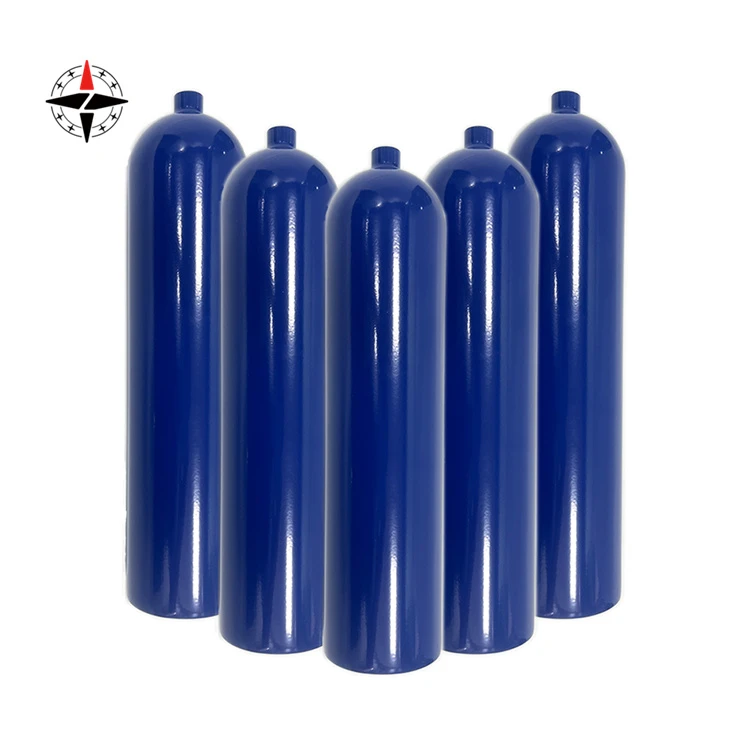
Nitrous oxide is a colorless, sweet combustion-supporting gas with narcotic properties.
N2O Application: Used as medical anesthetic, preservative, air tightness inspection, carrier gas for atomic spectrometer, semiconductor manufacturing gas, standard gas, oxidant for rocket propulsion. Nitrous oxide is also approved as a food additive. Its common use in the food industry is as a packaging propellant for snack foods (whipped cream, fat sprays, and potato chips), N2O inhibits bacterial growth in food packaging.
Dangerous properties: Inhalation of the mixture of this product and air can cause asphyxia when oxygen concentration is very low; Inhalation of 80% of the mixture of this product and oxygen causes deep anesthesia, generally no aftereffects after recovery. In case of ethyl ether, ethylene and other flammable gases can play a role in combustion, can aggravate the flame combustion.
Emergency treatment: quickly evacuate the contaminated area to the upper wind, and quarantine, strictly restrict access. Emergency personnel are advised to wear self-contained positive pressure breathing apparatus and general work clothing. Cut off the source of leakage as much as possible. Reasonable ventilation to accelerate diffusion. The leak container should be properly disposed of, repaired and inspected before use.
Fire extinguishing method: This product is not flammable. Use mist water to keep the container in the fire cool. Quickly cut off the air source, spray with water to protect the personnel who cut off the air source, and then use dry powder or carbon dioxide to extinguish the fire.
Note: Store in a cool, ventilated warehouse. Keep away from fire and heat. The temperature of the warehouse should not exceed 30℃. It should be stored separately with combustible materials and reducing agents and should not be mixed. The storage area should be equipped with leak emergency treatment equipment. Prevent gas leakage into the workplace air. Avoid contact with reducing agents. Light loading and unloading during handling to prevent damage of cylinders and accessories.