

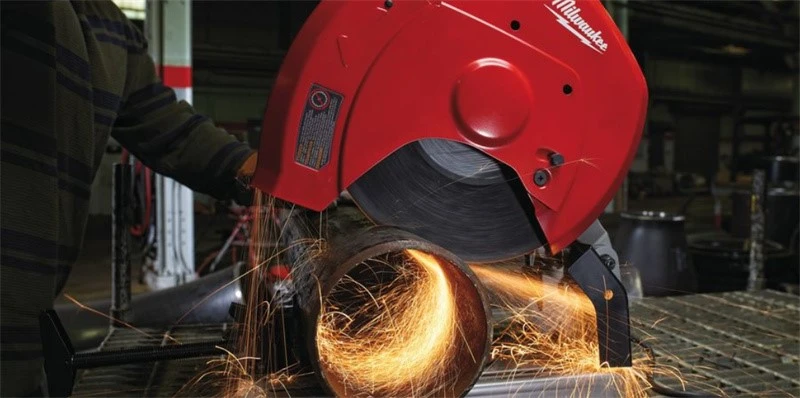
Although cutting metal looks straightforward, using the improper tool or blade can result in shoddy cuts, deformed metal, and even possible injury. When it comes to cutting metal, the chips that are produced throughout the cutting process may reveal a lot about the calibre and effectiveness of your equipment.
It's crucial to consider the appropriate instruments you'll need to complete the task when selecting a tool for metal cutting. Depending on your project, there are several concerns to keep in mind as blade technology develops. The frequency of use, the thickness of the metals you deal with, tool maintenance, tool productivity, and budget will all influence the tool you choose.
We at Mid-star sell a variety of welding materials, tools, and equipment for neighbourhood companies and ardent welders. We have added a new piece to our welding apparatus that will make cutting steel much easier. The cold steel saw is now in our possession. All sorts of metals can be cut more quickly and easily with this improved metal cutting blade, and the finished product is cleaner and smoother.
What is a cold steel saw?
With their toothed blades, cold saws are specially made to quickly and easily cut through metals at high speeds. Because they let the material and the blade stay cool throughout and after the cutting operation, they are known as "cold saws." Chips, which are basically metal shavings produced as a byproduct of the cutting process, absorb the heat produced by the cutting motion.
When compared to an abrasive saw, which produces a lot of heat and can result in third-degree burns if handled too quickly, cold saw cuts stay cool to the touch, making them simpler to work with right away. While the metal is still hot, abrasive saws can also cause it to distort. Abrasive saws generate a lot of heat because, unlike cold saws, they grind through the material instead of cutting it cleanly, which can lead to a messy operation and less-than-perfect cuts.
Benefits
● Cutting speed: The cold saw blade will cut rapidly, even through thick portions.
● Precision of the cut: Unlike abrasive blades, the cold saw blade cuts straight, necessitating less post-cut repair.
● Cold to the touch: Immediately after cutting, each workpiece, the blade, and the material are all cold to the touch.
● Resharpenable: Cold steel saws have blades made of either solid high-speed steel or tungsten carbide, both of which may be sharpened several times before needing to be replaced.
The cold saw is the one for you if you need a reliable, high-quality saw and have strict production requirements. The steel saw's titanium carbide tips can help you complete tasks more quickly and with higher-quality results.
Sources:
https://www.elitemetaltools.com/article/cold-saw-vs-abrasive-chop-saw-wh…
https://coldsawbladestore.com/cold-saw-blade-guide/
https://www.familyhandyman.com/list/10-easy-ways-to-cut-metal-fast/
https://www.bobvila.com/articles/cutting-metal/


