

Many individuals find going to the dentist to be a little unsettling, but this is especially true when a tooth extraction is necessary. Nobody enjoys having their teeth extracted, and the loud noises made by the dental equipment can make it seem worse. Dentists strive to make patients comfortable by talking to them and guiding them through the treatment step by step. They are aware that many individuals hate seeing the dentist for these reasons. Additionally, by using medical oxygen, dentists can use the gas in conjunction with other treatments to address dental
problems.
Ozone Gases in The Dental Field
All living things require oxygen, which may also be "energized" to cure various oral problems including gum disease. In dental offices, oxygen that has been "energized" can be utilized as an ozone gas. Three oxygen atoms make up ozone (O3), which is utilized as an alternative therapy to increase the body's oxygen intake and to clean open wounds during dental operations like root canals. The additional oxygen atom molecules are what give oxygen its "energized" state, making ozone a beneficial gas for both therapeutic use and general well-being. When it reaches the planet, UV energy is absorbed by the ozone layer. Ozone is a disinfectant and a healer in medical settings.
Some of the benefits of ozone include:
· Advanced healing in damaged tissue
· Increased blood flow
· Destroys various forms of bacteria
Ozone gas is safe for people to breathe because it is not toxic or allergic. It aids in the eradication of some viruses, fungi, and bacteria that can develop as a result of common dental diseases like tooth decay.
Emergency Oxygen
Oxygen therapy is utilized in emergency cases as well as for dental procedures including fillings, gum disease, and inflammation. Supplemental oxygen can assist stabilize the patient and control oxygen and blood flow in the unlikely event that a patient experiences shock during a dental operation.

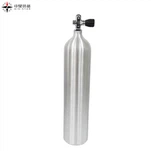
Regularly checking oxygen tanks and regulators to make sure they aren't leaking or to see whether they need to be refilled is crucial for dental offices. Having additional oxygen on hand is preferable to running out in a real emergency. Before utilizing tanks that have been accidentally moved or dropped, it is crucial to thoroughly check them. Oxygen cylinders should be kept in a safe, clean, and dry location that is apart from other apparatus and adequately ventilated.
Sources:
https://carolinacompletedental.com/blog/oxygen-therapy-a-breath-of-fresh-air/
https://www.dentalproductsreport.com/dental/article/study-finds-more-60-percent-people-suffer-dental-fear
https://www.dentalexcellenceva.com/the-application-of-oxygen-therapy-in-dentistry/